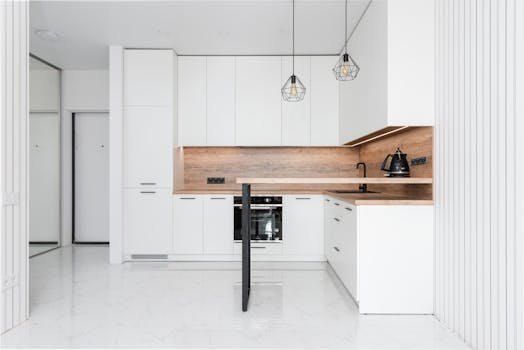

Many homeowners and investors approach property value improvement with a rather simplistic, almost transactional mindset. The prevailing narrative often focuses on quick fixes: a fresh coat of paint, a modern kitchen, or a bathroom refresh. While these elements certainly contribute to a property’s appeal and can yield a return, they rarely unlock its full potential. True property value improvement isn’t merely about aesthetics or incremental upgrades; it’s about strategic, data-informed decisions that foster enduring capital appreciation and robust rental yields. It requires a deeper dive into the underlying market dynamics, the property’s intrinsic characteristics, and the foresight to anticipate future trends.
Rethinking Renovations: Beyond the Cosmetic Facade
The allure of immediate visual impact is undeniable. A gleaming new countertop or a sleek vanity can certainly catch a buyer’s eye. However, from an analytical perspective, the true value lies in understanding why certain renovations command higher premiums and whether the investment aligns with long-term market demand.
The “Why” Behind Upgrades: Instead of simply choosing the most fashionable finishes, consider their functionality and durability. High-performance, low-maintenance materials often resonate more with discerning buyers and tenants, especially in rental markets where operational costs are a significant factor. For instance, a high-quality HVAC system might not be as glamorous as a quartz countertop, but its impact on comfort and energy efficiency is profound and contributes to a property’s overall desirability and lower operating expenses.
Maximizing Usable Square Footage: Often, the most impactful improvements aren’t about adding square footage, but optimizing the existing footprint. Converting underutilized spaces like attics, basements, or even large, impractical closets into functional areas (home offices, guest rooms, additional bathrooms) can significantly boost perceived value and utility without the hefty expense of structural expansion. This is a prime example of strategic property value improvement.
Energy Efficiency as a Value Driver: Increasingly, energy-efficient features are becoming a significant selling point. Upgrades like improved insulation, high-performance windows, solar panel installation, or smart home technology not only reduce ongoing utility costs for the homeowner or tenant but also signal a commitment to sustainability, a growing concern for many.
Leveraging Data for Informed Decisions
The days of relying solely on gut feeling or anecdotal evidence for property investment are long gone. A sophisticated approach to property value improvement hinges on rigorous data analysis.
Comparative Market Analysis (CMA) with a Nuance: While CMAs are standard, going deeper is crucial. Analyze not just recent sales but also the performance of properties with specific upgrades. What premium did homes with finished basements command compared to those without? Did properties with updated landscaping sell faster and for a higher percentage of asking price? This granular analysis can reveal hidden gems of value creation.
Understanding Local Market Trends: Is the area experiencing a surge in demand for multi-generational living, necessitating accessory dwelling units (ADUs)? Is there a growing demographic seeking outdoor living spaces? Understanding these demographic and lifestyle shifts allows for targeted improvements that align with prevailing demand, significantly enhancing property value improvement potential.
Predictive Analytics for Future Value: Tools and services are emerging that can analyze market data to predict future appreciation trends. While not a crystal ball, these can offer valuable insights into which neighborhoods and property types are poised for growth, guiding investment decisions toward areas where improvements are likely to yield the highest long-term returns.
The Unseen Value: Infrastructure and Sustainability
Beyond the visible, certain infrastructural and sustainability upgrades offer substantial, often overlooked, value. These are the investments that speak to the property’s long-term viability and operational efficiency.
Structural Integrity and Longevity: Addressing foundational issues, upgrading plumbing and electrical systems, and ensuring robust roofing are not glamorous, but they are paramount. A property with well-maintained, modern infrastructure instills confidence in buyers and significantly reduces the likelihood of costly future repairs, directly impacting its long-term value proposition.
Water Management and Landscaping: In many regions, water conservation is becoming increasingly important. Drought-tolerant landscaping, efficient irrigation systems, and proper drainage can not only reduce maintenance costs and environmental impact but also enhance curb appeal and protect the property from water-related damage.
Smart Home Integration for Efficiency and Security: While some smart home features are purely for convenience, others offer tangible benefits. Smart thermostats, security systems, and leak detectors can reduce utility bills, deter crime, and provide peace of mind. These features are no longer niche; they are becoming an expected component of modern living.
Beyond the Single-Family Home: Multi-Unit Strategies
For those investing in multi-unit properties, the principles of property value improvement take on a different, albeit equally important, dimension. The focus shifts from individual homeowner appeal to tenant satisfaction, operational efficiency, and maximizing rental income across multiple units.
Common Area Enhancements: Well-maintained and attractive common areas – lobbies, hallways, laundry facilities, and outdoor spaces – create a positive first impression and contribute to tenant retention. Investing in these shared amenities can be a powerful differentiator.
Unit-Specific Efficiency and Appeal: While individual unit renovations are important, consider standardized, durable finishes that are easy to maintain and appeal to a broad demographic. Energy-efficient appliances and modern, functional layouts in each unit can attract quality tenants and command higher rents.
The Power of Community Amenities: For larger complexes, amenities like fitness centers, co-working spaces, or communal outdoor areas can significantly enhance desirability and justify higher rental rates. These features cater to modern living trends and foster a sense of community among residents.
Final Thoughts: Cultivating Enduring Value
True property value improvement is a journey, not a destination. It demands a shift from reactive, superficial upgrades to proactive, strategic investments grounded in data and foresight. By looking beyond the immediate aesthetic and delving into infrastructural integrity, energy efficiency, and market-specific demand drivers, property owners and investors can cultivate enduring value. It’s about building a property that not only appeals to today’s market but is also resilient and desirable for generations to come, ensuring a more substantial and sustainable return on investment.