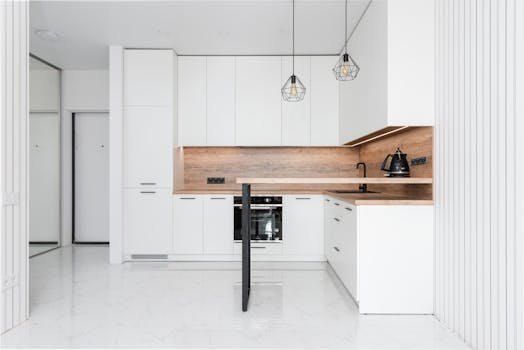
Let’s be honest. When you hear “energy-efficient lighting,” you might picture those slightly peculiar-looking compact fluorescent lamps (CFLs) of yesteryear, or perhaps just a bland, utilitarian glow. The truth is, the world of energy-efficient lighting has undergone a dazzling transformation, evolving far beyond basic illumination to become a cornerstone of smart, sustainable living. It’s not just about saving a few pennies on your electricity bill, though that’s a rather delightful perk, isn’t it? It’s about smarter technology, better ambiance, and a significant reduction in our collective carbon footprint. So, let’s shed some light on what truly makes lighting “efficient” and why you should care, beyond the obvious hum of saving money.
The Bright Spark: What Really Defines Efficiency?
At its core, energy efficiency in lighting boils down to one simple principle: getting the most light output for the least amount of energy input. Think of it like this: a truly efficient light bulb is like a marathon runner – it goes the distance with minimal effort, whereas an old incandescent bulb is more like a sprinter who burns out quickly and leaves a trail of wasted energy.
The magic behind this lies in the technology. Incandescent bulbs, the ones that used to glow with the warmth of a tiny sun but also emitted a ton of heat, are notoriously inefficient. They convert about 90% of their energy into heat, not light! It’s like trying to toast bread by heating up your entire kitchen. In contrast, modern energy-efficient lighting solutions, predominantly LED (Light Emitting Diode) technology, are light-making marvels. They convert a much higher percentage of electricity directly into visible light, making them incredibly power-sipping.
LEDs: The Unsung Heroes of the Luminary Revolution
If you’re still clinging to older lighting technologies, you’re essentially leaving money on the table and contributing to unnecessary energy consumption. LEDs are the undisputed champions of the modern lighting arena. Their benefits are so numerous, it’s almost criminal not to embrace them.
Longevity: LEDs last significantly longer than traditional bulbs. We’re talking tens of thousands of hours, which translates to years, even decades, of use. No more ladder-climbing marathons to replace burnt-out bulbs every few months!
Energy Savings: This is the big one. LEDs can use up to 80% less energy than incandescent bulbs for the same light output. Imagine your lighting costs plummeting while your home remains just as, if not more, brightly lit.
Durability: They’re more robust and less prone to breakage than glass incandescent or CFL bulbs. They can also withstand temperature fluctuations better.
Instant Brightness: Unlike some older energy-saving bulbs that took a moment to warm up, LEDs reach full brightness the instant you flip the switch. No more fumbling in the dark waiting for your light to decide to work.
Directional Light: LEDs can be designed to emit light in a specific direction, which is incredibly useful for task lighting and reducing wasted light that bounces around aimlessly.
One thing to keep in mind is that not all LEDs are created equal. The initial cost might seem higher, but when you factor in their lifespan and energy savings, they pay for themselves many times over. It’s a classic case of investing a little more upfront for substantial long-term gains.
Beyond Wattage: Understanding Lumens and Color Temperature
When shopping for energy-efficient lighting, you might notice a shift in how bulbs are marketed. Instead of focusing on wattage (which measures energy consumption), you’ll see “lumens” (which measure brightness) and “color temperature” (which describes the light’s hue). This is a crucial part of mastering efficient illumination.
#### What’s a Lumen Got to Do With It?
Lumens are your new best friend when assessing brightness. A higher lumen count means a brighter light. So, instead of looking for a 60-watt bulb, you’d look for an LED that produces around 800 lumens. This allows you to directly compare the brightness of different bulb types, ensuring you get the illumination you need without overspending on energy.
#### The Warm Glow vs. The Cool Blue: Color Temperature Explained
Color temperature is measured in Kelvin (K) and dictates the mood of your space.
Warm White (2700K-3000K): This is similar to the soft, inviting glow of incandescent bulbs. It’s perfect for living rooms, bedrooms, and dining areas where you want a cozy atmosphere.
Cool White/Bright White (3500K-4100K): This is a more neutral light, good for kitchens, bathrooms, and offices where clarity and focus are important.
Daylight (5000K-6500K): This mimics natural daylight and is excellent for task lighting, workshops, or areas where you need to see fine details.
Choosing the right color temperature can significantly impact how your home feels and how effectively you use your lighting, ensuring you’re not just saving energy, but also creating the perfect ambiance. I’ve often found that people overlook this, opting for whatever is cheapest, only to end up with a harsh, uninviting space.
Smart Lighting: Efficiency Meets Convenience
The evolution of energy-efficient lighting doesn’t stop at LEDs. We’re now in the era of “smart lighting,” where your bulbs can do more than just turn on and off. Smart bulbs can be controlled remotely via an app, allowing you to adjust brightness, change colors, and even set schedules.
What does this have to do with efficiency? Plenty!
Dimming Capabilities: Many smart bulbs can be dimmed, allowing you to reduce energy consumption when full brightness isn’t needed.
Scheduling and Automation: You can program lights to turn off automatically when you leave a room or at specific times, eliminating the risk of forgetting to switch them off.
Integration with Smart Home Systems: They can work in tandem with motion sensors, voice assistants, and other smart devices to optimize lighting use based on occupancy and external conditions.
It’s like having a personal lighting assistant who’s incredibly good at saving you money and electricity. The initial setup might involve a few clicks and app downloads, but the long-term convenience and savings are substantial.
Making the Switch: Practical Tips for an Energy-Conscious Home
So, how do you embark on your own journey towards a more luminously efficient existence? It’s simpler than you might think.
- Audit Your Current Lighting: Walk around your home and identify which bulbs are the biggest energy hogs. Incandescent bulbs in frequently used areas are prime candidates for replacement.
- Prioritize High-Usage Areas: Start with the rooms you use most, like the living room, kitchen, and hallways. The quicker you replace bulbs there, the faster you’ll see savings.
- Consider Bulb Type: For most general lighting needs, LEDs are the way to go. For specific tasks or mood lighting, explore the range of LED color temperatures and beam angles.
- Look for the Energy Star Label: This certification indicates that a product meets strict energy efficiency guidelines set by the EPA.
- Don’t Forget Outdoor Lighting: Motion-sensor LED lights for your porch or garden can provide security and significant energy savings.
- Explore Dimmers: Installing dimmers on existing circuits, especially for rooms where full brightness isn’t always necessary, is another excellent strategy for reducing energy use.
The transition to energy-efficient lighting isn’t just a trend; it’s a smart, practical step towards a more sustainable and cost-effective future. It’s about making conscious choices that benefit your wallet and the planet.
Wrapping Up: Embrace the Brilliance of Efficiency
The conversation around energy-efficient lighting has moved far beyond simply swapping out old bulbs for new ones. It’s about understanding the technology, leveraging its capabilities, and integrating it into a smarter, more connected home. The days of energy-guzzling, heat-radiating light bulbs are thankfully fading into the past. By embracing LEDs, understanding lumens and color temperature, and perhaps even dipping your toes into the world of smart lighting, you’re not just illuminating your home; you’re investing in a brighter, more sustainable, and ultimately, a more cost-effective future. So, let there be light – and let it be efficient*.